


The Connection Between Clean Eating and Physical Vitality
- May 17
- 4 min read
Updated: Jul 31
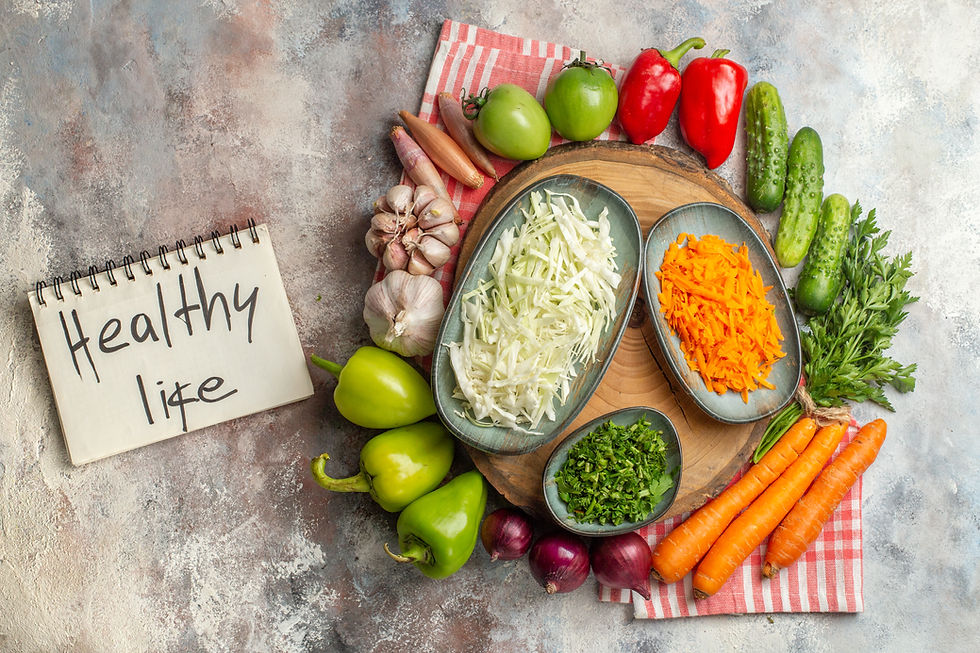
In an era dominated by fast-paced lifestyles and convenience-driven dietary choices, the concept of vitality has taken center stage. True physical vitality is not merely the absence of illness; it is a state of abundant energy, mental clarity, and peak physical performance.
While exercise and sleep are crucial pillars of health, the foundational fuel we provide our bodies ultimately dictates how efficiently those pillars function. The quality of our daily nutrition determines how well our bodies recover, adapt, and sustain long-term performance.
Transitioning to a clean eating lifestyle centered on whole, unprocessed ingredients directly influences cellular health, metabolism, and athletic capacity. When combined with mindful physical practices, this nutritional approach creates a powerful synergy that can significantly elevate overall well-being.
Understanding Clean Eating: Fueling the Human Machine
At its core, clean eating is a return to simplicity. It emphasizes consuming foods as close to their natural state as possible. This means prioritizing fresh fruits, vegetables, whole grains, nuts, seeds, and lean proteins while eliminating artificial additives, refined sugars, and heavily processed goods.
The Pitfalls of Processed Foods
Processed foods often contain empty calories, trans fats, and synthetic chemicals that trigger low-grade systemic inflammation. This constant state of inflammation strains the immune system and drains your vital energy reserves, leaving you feeling chronically fatigued.
The Whole Foods Advantage
When you choose unprocessed ingredients, you unlock a highly bioavailable source of micronutrients. Whole foods retain their natural fiber, vitamins, and minerals, ensuring that your body receives sustained nourishment without the sudden blood sugar spikes and subsequent crashes associated with refined carbohydrates.
How Clean Nutrition Drives Daily Energy Levels
The human body converts food into energy through the mitochondria, the powerhouses of our cells. To optimize this process, the body requires a steady influx of high-quality micronutrients.
Micronutrient Density and Cellular Energy
Vitamins and minerals act as essential cofactors in metabolic pathways. For instance, B vitamins are crucial for converting macronutrients into adenosine triphosphate (ATP), the body's primary energy currency.
Iron helps transport oxygen to muscles and organs. Clean eating ensures your cells are flooded with these critical components, naturally boosting your daily endurance.
Maintaining Blood Sugar Stability
Refined sugars cause rapid fluctuations in blood glucose levels. Clean eating, which inherently incorporates complex carbohydrates and dietary fibers, promotes a gradual release of glucose into the bloodstream.
Dietary Choice | Impact on Blood Sugar | Long-Term Energy Effect |
Processed Foods (Refined sugars, white flour) | Rapid spike followed by a sharp crash | Fatigue, brain fog, and sugar cravings |
Clean Foods (Whole grains, leafy greens, nuts) | Slow, steady absorption | Sustained physical and mental stamina |
Enhancing Athletic Performance Through Whole Foods
For athletes and fitness enthusiasts, nutrition is the ultimate competitive edge. What you consume directly dictates your power output, endurance, and post-workout recovery time.
Optimized Muscle Recovery
Intense physical activity creates microscopic tears in muscle fibers and induces oxidative stress. Antioxidant-rich whole foods, such as berries, leafy greens, and cruciferous vegetables, help neutralize free radicals and reduce muscle soreness.
High-quality, unprocessed proteins provide complete amino acid profiles that are essential for efficient tissue repair. Adequate protein intake supports muscle recovery and promotes stronger adaptation after training.
Improved Hydration and Electrolyte Balance
Clean eating naturally emphasizes water-rich fruits and vegetables, which contribute significantly to cellular hydration and support overall metabolic efficiency throughout the day.
Natural sources of potassium, magnesium, and sodium, commonly found in bananas, avocados, and leafy greens, play a crucial role in maintaining electrolyte balance, preventing muscle cramps, and optimizing nerve signaling during intense physical activity.
The Balinese Synergy: Combining Clean Eating and Physical Vitality
Clean eating and physical vitality highlight that achieving peak physical vitality requires looking beyond the plate to understand how nutrition interacts with lifestyle choices, and places like Bali, particularly Canggu, have become global epicenters for this holistic alignment.
Core Pillar | Focus Area | Specific Bali Alignment | Strategic Benefits |
Clean Nutrition | Nutrient-dense, plant-based, whole foods | Specialized vegan restaurant in Canggu | Pre-Practice Fuel: Provides clean-burning carbohydrates that fuel the body without causing digestive sluggishness during deep twists and inversions. |
Mindful Movement activity | Structured guidance and physical practice | Professional yoga teaching & intensive yoga retreat in Bali | Post-Practice Restoration: Anti-inflammatory properties of clean ingredients accelerate muscle recovery following rigorous physical adjustments. |
Integrating nutrient-dense meals at a specialized vegan restaurant Canggu, with the structured guidance of a professional yoga teaching Bali program establishes a powerful cycle of recovery and performance.
Pre-Practice Fuel: Plant-based, whole foods provide clean-burning carbohydrates that fuel the body without causing digestive sluggishness during deep twists and inversions.
Post-Practice Restoration: The anti-inflammatory properties of clean ingredients accelerate muscle recovery following rigorous physical activity, making it the perfect complement to an intensive yoga retreat in Bali.
This intentional pairing ensures that your physical practice supports your metabolic health, and your dietary choices support your physical capabilities.
Looking for a Peaceful Place to Stay in Bali?
Transform your vacation into a truly restorative experience. Stay at Serenity Eco Guesthouse in Canggu, just steps away from the beach, featuring vibrant eco-friendly rooms, daily yoga classes, and an organic vegan restaurant.
Nourish your body with organic meals while staying at our peaceful sanctuary.
FAQ
Q: What exactly qualifies as "clean food"?
A: Clean food refers to ingredients that are unrefined, unprocessed, and free from artificial preservatives, colorings, or synthetic additives. Examples include fresh organic produce, whole grains, raw seeds, and naturally fermented items.
Q: Can a plant-based or vegan diet provide enough protein for athletic performance?
A: Yes. Whole plant foods like lentils, chickpeas, quinoa, chia seeds, and tempeh offer robust amino acid profiles. When consumed in sufficient quantities and varieties, they easily meet the protein requirements necessary for muscle building and athletic recovery.


Comments