


Yoga Retreat or Meditation Retreat in Bali: How to Choose

Bali offers both, often within the same neighborhood, sometimes within the same property. On paper they sound similar: quiet mornings, healthy food, time away from your inbox. In practice they ask very different things of you.
A yoga retreat moves you. A meditation retreat, especially a Vipassana style one, asks you to sit still and stay silent. One leaves you pleasantly tired and connected to other guests. The other can feel confronting for the first two days before it becomes deeply restful.
This guide compares the two formats honestly (daily structure, physical intensity, silence rules, and personality fit) so you book the one that matches what you actually need right now.
What a Yoga Retreat Actually Looks Like
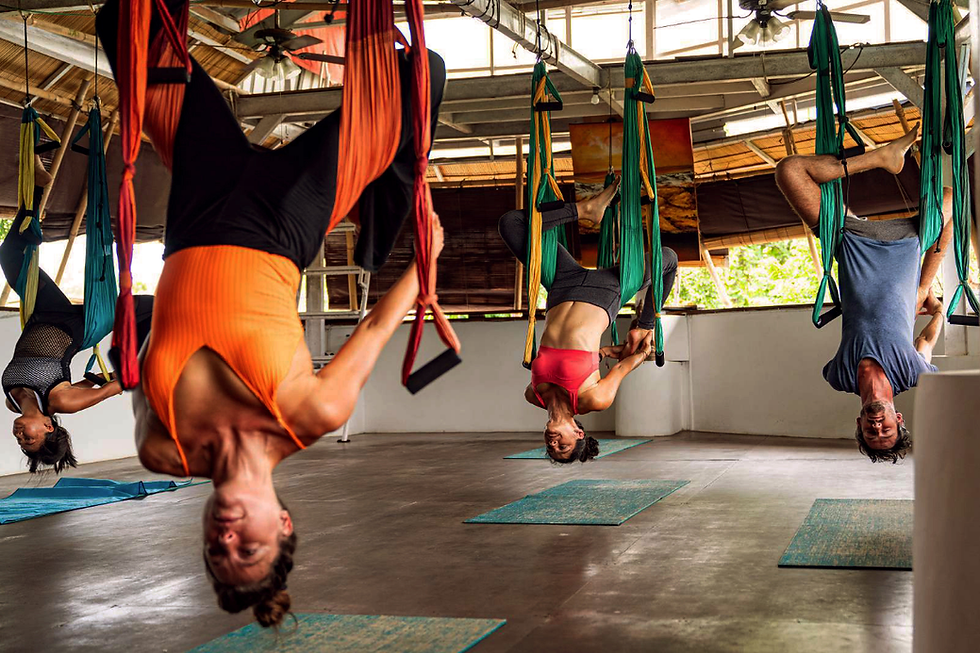
The rhythm is gentle but full. A typical day starts with a morning practice before the heat arrives, followed by a plant-based breakfast, free hours for the beach, the pool or a treatment, then a softer afternoon or evening session such as Yin or Restorative.
Physically, it is more demanding than most people expect from a holiday. Two practices a day, even at moderate intensity, will find muscles you had forgotten about by day three. That is normal, and it is part of why you sleep so well.
Socially, a yoga retreat is open. You eat with other guests, you chat between classes, you swap travel stories. Nothing is silent unless you choose it. For many travelers, this community feeling is half the value.
The goal here is embodied release: moving stress out through the body, restoring flexibility, and rebuilding energy that long working months have drained.
What a Meditation Retreat Asks of You
A meditation retreat inverts the formula. Instead of moving through discomfort, you sit with it.
Days are built around long sitting sessions, sometimes several hours in total, broken by walking meditation, simple meals and rest. Traditional Vipassana formats add noble silence, meaning no conversation, no eye contact, no phone, no reading and no writing for the duration.
Physically it is undemanding, but do not confuse that with easy. Sitting still for extended periods is hard on the hips and lower back if your body is not used to it, and the mental side is the real work. Most people report a difficult second day, when the mind resists the lack of distraction, followed by a clarity that is hard to describe until you have felt it.
The goal is different too. Not release through movement, but insight through observation. You are training attention rather than the body.
At Serenity, our Vipassana group sittings are reserved for old students who have already completed a full course elsewhere, so a first timer would begin with our guided meditation and breathwork sessions instead.
Side by Side: Yoga Retreat vs Meditation Retreat
Aspect | Yoga Retreat | Meditation Retreat |
Daily structure | Two practices plus long free hours | Multiple sitting sessions, tightly scheduled |
Physical intensity | Moderate to high | Low physically, high mentally |
Silence | Optional, mostly social | Often mandatory (noble silence) |
Phone and devices | Allowed, though less used | Usually surrendered or switched off |
Social contact | Encouraged, community based | Minimal to none |
Main outcome | Energy, flexibility, physical release | Focus, emotional clarity, mental reset |
Learning curve | Gentle, teachers adapt to all levels | Steep at the start, easier by day three |
Typical length | 3 to 7 days | 7 to 10 days for traditional courses |
Best for | Bodies carrying tension and fatigue | Minds carrying overload and noise |
Which One Fits You Right Now?
Ask what feels heavier at the moment: your body or your head.
If your shoulders are locked from a laptop, your sleep is poor, and you want to feel physically renewed while still enjoying Bali, a yoga retreat is the better first choice. It also gives you room to explore, eat out and meet people, which matters if this is your only holiday of the year.
If you are mentally saturated (too many decisions, too much scrolling, too many notifications) and physical rest alone has stopped working, the stillness format will do more for you.
If you have never done either, start with movement. Practicing for a few days makes sitting far more comfortable, because a body that has opened up can stay still for longer without complaint. Our yoga for beginners program is built for exactly that entry point, with no prior experience assumed.
You Do Not Have to Choose Only One
The most sustainable approach for most travelers is a blend: daily movement in the morning, guided meditation or breathwork in the evening, nourishing food in between, and enough unstructured time to actually rest.
That is the shape of our yoga meditation retreat bali program, which combines Hatha, Vinyasa, Yin and Restorative classes with guided sittings, plant-based meals from the Alkaline Resto, and eco-friendly rooms in a smoke free, alcohol free environment.
Blending the two also lowers the risk of the classic mistake: booking ten silent days as your very first experience and spending most of it wishing you had chosen something gentler.
Test the Water Before You Commit
You do not need to book a full week to find out which format suits you. Drop into a few sessions first and pay attention to how you feel afterwards.
Browse the yoga classes canggu timetable, try a flowing class and a slower one in the same week, then sit in on a guided meditation. Two or three days of sampling will tell you more than any article, including this one.
Looking for a Peaceful Place to Stay in Bali?
Transform your vacation into a truly restorative experience. Stay at Serenity Eco Guesthouse in Canggu, just steps away from the beach, featuring vibrant eco-friendly rooms, daily yoga classes, and an organic vegan restaurant.
Reserve your room at Serenity Bali today and turn travel fatigue into total relaxation.
Frequently Asked Questions
Q: Do I need meditation experience to join a retreat with meditation sessions?
A: Not for guided meditation and breathwork, which are open to complete beginners. Traditional Vipassana courses are stricter, and our group sittings at Serenity are for old students who have already completed a full course elsewhere.
Q: Is a yoga retreat too physical if I am not fit?
A: No. Classes are offered at several intensities, from Vinyasa to Yin and Restorative, and teachers give softer options for every posture. You choose how many sessions to attend each day.
Q: How long should my first retreat be?
A: Three to five days is a comfortable starting point. It is long enough for your body and sleep to shift, and short enough that you leave wanting more rather than counting down the final day.


This article offers great insights on choosing the right retreat, really clarifying how different each experience is. You could even Make Video From Photo to capture your peaceful moments during the trip!
Many homeowners compare quartz, granite, porcelain, and other countertop materials before making decisions for their kitchen reno.
This guide makes the difference between yoga and meditation retreats clear, especially when it comes to relaxation, focus, and mental reset. If you enjoy experiences that challenge the mind in a different way, horror games can offer a similar sense of tension, mystery, and immersion.
Knowing food names gives you a useful advantage in foodle, but it is definitely not an automatic win. The game can test your vocabulary in ways you probably did not expect.
Una buena organización también permite regresar a consultar los datos más adelante. Para quienes siguen loteria nacional, tener resultados separados por jornada facilita comparar información y localizar rápidamente una fecha concreta.